



The thrill of loot has always been at the heart of World of Warcraft. Whether you’re opening a chest at the end of a Mythic+ run, rolling a bonus coin in a raid, or looting a rare mob in the open world, the moment of anticipation creates a wave of tension and excitement unmatched by most other systems in the game. But beneath that simple moment lies a deep psychological structure. Loot crates, bonus rolls, caches, and jackpot mechanics tap into powerful motivators that keep players emotionally engaged—and sometimes emotionally invested—long after logic suggests they should have moved on.
This article examines the psychology behind WoW’s most chance-driven reward systems, exploring how anticipation, partial reinforcement, and player-driven storytelling combine to create one of the strongest reward loops in online gaming.
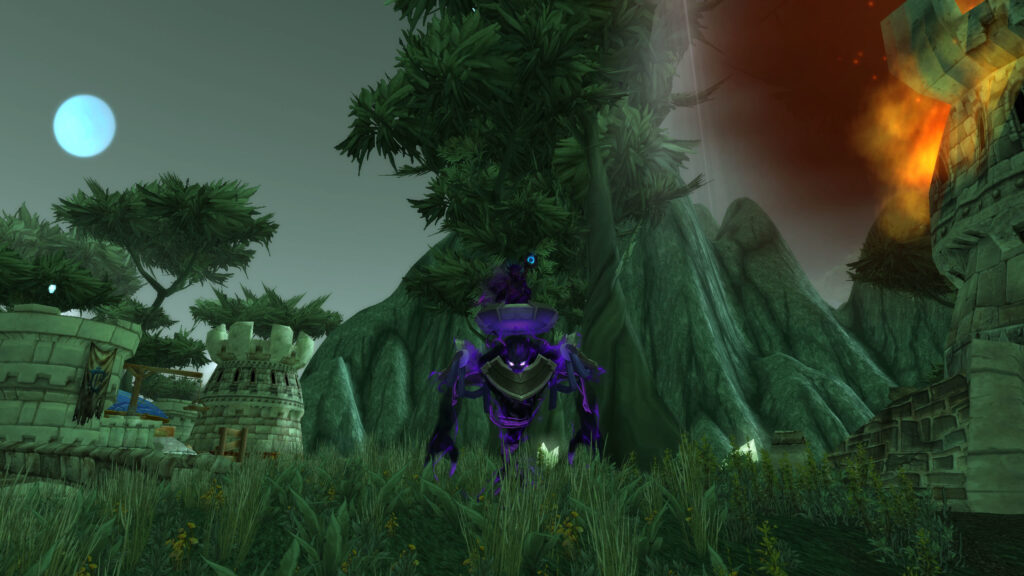
The Anticipation Effect: Why Players Love the Moment Before the Reveal
The most powerful moment in any loot system is the anticipation right before the reward appears. This instant—when anything feels possible—is where the emotional impact truly lies. Psychologists refer to this as the “anticipatory reward.” It activates the brain’s dopamine pathways even before the reward is known. In World of Warcraft, this feeling appears when players click a Great Vault reward, roll a bonus coin, or open a rare chest that spawns only once every few hours.
The system doesn’t rely on the reward itself, but on the possibility of the reward. This emotional charging is deliberate and deeply effective.
Variable Reinforcement: The Same Mechanic Used in Slot Machines
World of Warcraft’s loot systems operate on “variable ratio reinforcement”—a psychological principle that states people respond most strongly when rewards are unpredictable. Slot machines use this. Casinos build entire empires on it. And in WoW, this principle manifests through rare drops, random upgrade chances, and bonus rolls.

This unpredictability creates a feedback loop that keeps players returning for “just one more run,” even after dozens of attempts.
List: The Core Psychological Triggers Behind Loot Mechanics
WoW’s random reward systems activate multiple psychological triggers simultaneously. These triggers reinforce player motivation and shape how they remember each drop.
- Anticipation: The emotional spike just before the reward is revealed.
- Surprise: Unpredictability intensifies the emotional impact of rare drops.
- Near-Miss Effect: Getting something “close” to what you want motivates continued attempts.
- Pattern Illusion: Players believe they see patterns where none exist (“I always get loot on Tuesdays”).
- Personal Story Reinforcement: Rare drops become memories players share with friends and communities.
- Social Validation: Showing off rare or prestigious items boosts personal pride.
These triggers combine to create a powerful motivational cycle built entirely on randomness.
The Near-Miss Effect: Why Failure Can Be Motivating
A fascinating aspect of loot systems is the near-miss experience—coming close to what you want but not quite achieving it. For example, rolling a bonus coin and getting gold instead of gear feels like a failure, yet players often react with renewed determination. Psychologists discovered that near-misses stimulate the brain similarly to actual wins. WoW uses this inadvertently by design: every unsuccessful bonus roll feels like proof that a win is “due soon,” even though the odds never change.
This effect keeps players emotionally invested across long stretches of grind-heavy content.
Why Bonus Rolls Feel More Personal Than Normal Loot
Bonus rolls add an extra layer of emotional ownership. Because players choose when to use them, they feel more invested in the outcome. The reward—or lack of reward—feels like a moment of personal luck rather than a predetermined drop rate. This empowerment gives the illusion of agency, even in systems entirely based on probability.

This illusion is powerful enough to make bonus rolls one of the most memorable reward experiences in WoW’s history.
The Jackpot Feeling: Ultra-Rare Drops and Emotional Peaks
World of Warcraft’s most coveted items—mounts like Invincible, Ashes of Al’ar, and the Time-Lost Proto-Drake—activate jackpot psychology. The odds are long. The attempts can stretch into the hundreds. But when the jackpot finally hits, the emotional reward is massive. These items feel earned, personal, and unforgettable.
This jackpot effect makes ultra-rare drops some of the most emotionally resonant moments in gaming.
Memory Anchoring: why rare drops become lifelong stories
When a player gets a rare drop, the moment becomes an emotional anchor in their memory. They remember where they were, who they were with, and what they were doing. These anchored memories help create long-term attachment to the game. Blizzard consistently reinforces this by placing rare drops in meaningful locations—raids, dungeons, and visually striking zones that help cement the memory.
Loot becomes part of a player’s personal history within Azeroth.
The Power of Weekly Reward Structures
Systems like the Great Vault use scheduled anticipation rather than immediate randomness. The week-long gap creates suspense and raises the emotional stakes. Players build routines around their weekly vault—running Mythic+, raids, PvP, and side activities to maximize reward slots. This structure harnesses longer-term anticipation, making the moment of opening the vault far more meaningful.
The psychological impact of “vault day” keeps weekly engagement high across the entire player base.
Social Comparison: Showing Off Makes Loot More Valuable
A rare drop becomes more exciting when others can see it. Whether it’s a mount, a weapon appearance, or a prestigious title, the social validation reinforces the emotional reward. Blizzard carefully designs loot visuals—glows, particle effects, size, color—to be instantly recognizable by other players.

This transforms loot from a personal achievement into a social statement.
Why These Systems Work Without Feeling Manipulative
Unlike mobile games that rely heavily on monetized loot crates, World of Warcraft uses random reward systems within a progression framework. Players are always working toward something meaningful, even if they don’t get the drop they want. The game avoids pay-to-win mechanisms, which allows players to enjoy the randomness without feeling exploited.
The balance of randomness and effort-based progression keeps WoW’s reward structure engaging rather than predatory.
Conclusion
The psychology behind loot crates, bonus rolls, and jackpot mechanics explains why players remain emotionally connected to World of Warcraft’s reward systems year after year. Anticipation, unpredictability, personal agency, memory anchoring, and social validation all combine to create a powerful feedback loop. Players remember their biggest wins for years—and keep coming back for the next one.
In a game built on adventure, competition, and discovery, these unpredictable moments of joy remind players why they return to Azeroth over and over again.
Leave a Reply